The Residencies
The Residencies take the Alvará curriculum into the places, horses and riding traditions from which much of its knowledge comes. Members work in the founding countries, ride horses produced within those systems and train directly with the Alvará Fellows.
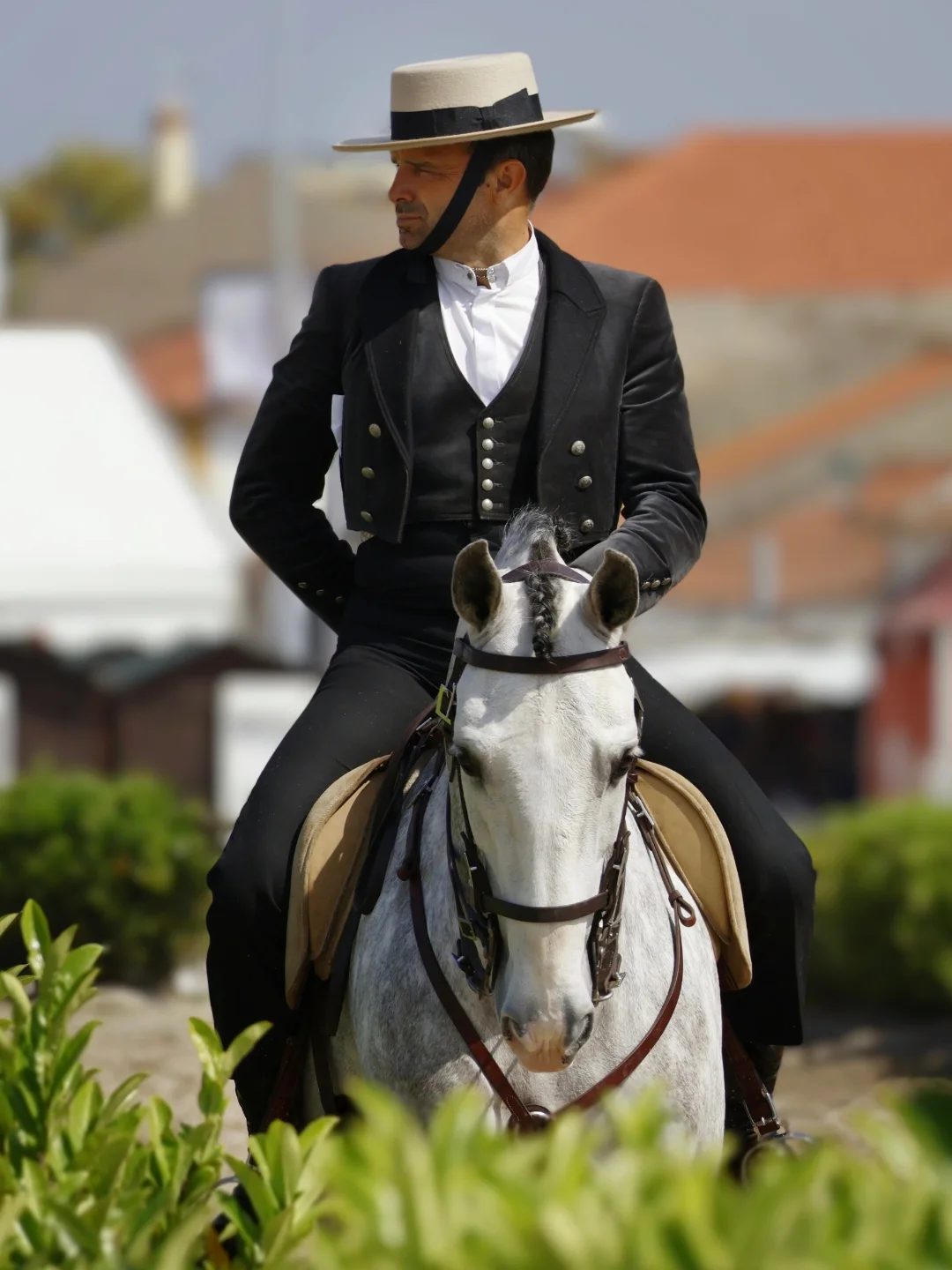

This is where the reference studied in the curriculum becomes something the Member can see and feel.
The Fellows bring the eye of riders competing at World Championship level. Their horses carry the training behind that work. The Member begins to experience what those riders recognise beneath them, what they prepare before the movement and what they change as the work unfolds.
Each Residency builds on the education that comes before it. The Applied Residency brings the full education together at the highest level of the College, with a route beyond it into international competition for riders ready to pursue it.
The standard surrounds them rather than appearing only at the moment of performance.
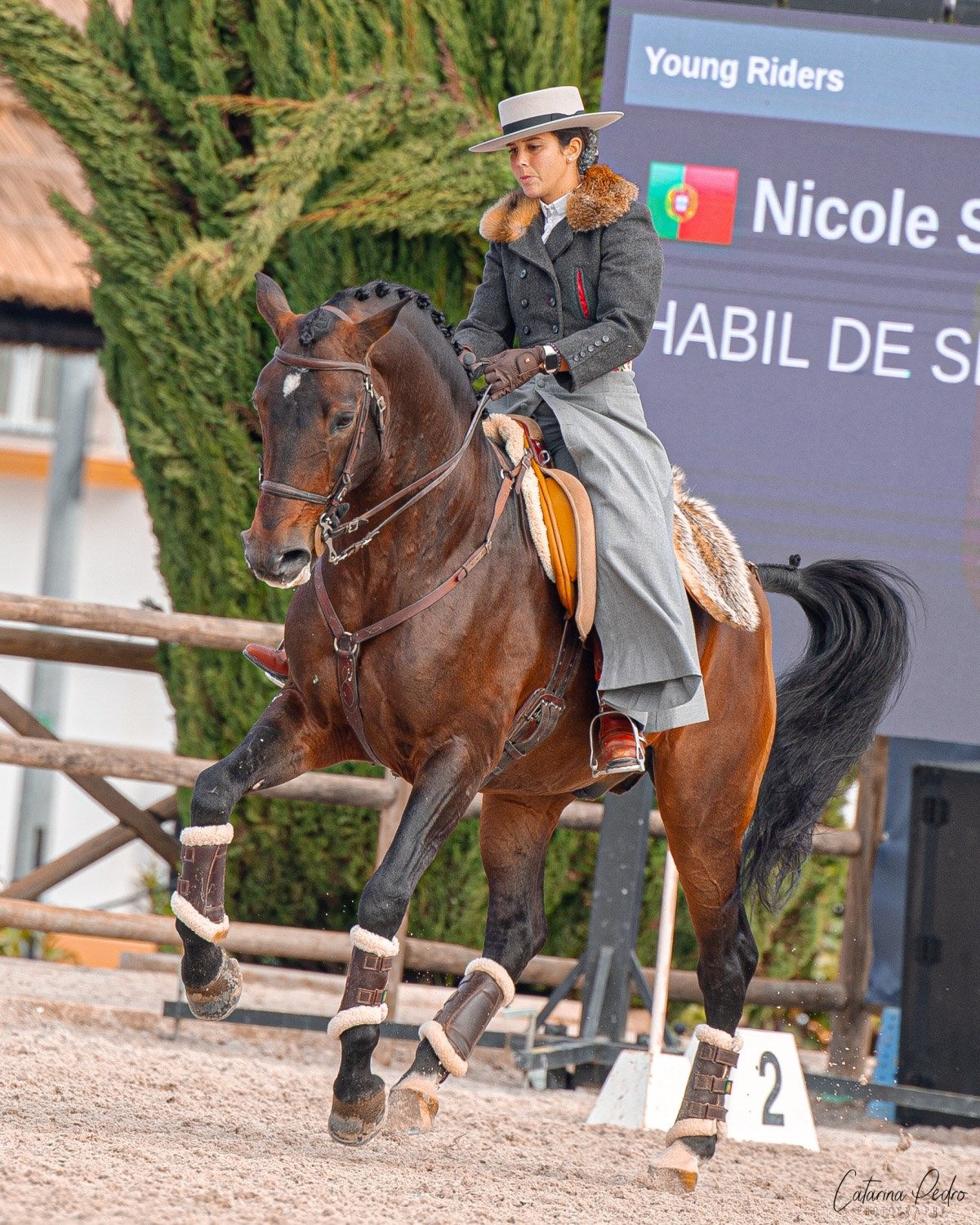
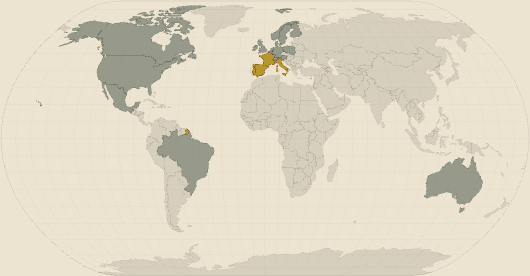
Portugal and Spain are two of the founding countries of Working Equitation. Portugal competes at World Championship level and is where most of the College's practical training takes place.
The Member sees the horses being produced, watches the Fellows work and rides within the same system in which those horses were made.
Know what you are looking for.
The curriculum gives the Member the first reference. Before they ride the movement, they understand its mechanics, footfalls and preparation, and know the quality they are trying to produce.
Know what it should feel like.
At the Residency, the Member rides horses already established in the work. What they have studied becomes something they can feel — the balance, timing and organisation of a correctly produced movement.
Learn to recognise what changes it.
The Fellow brings the final reference. They read what is happening between horse and rider, show the Member what is creating the result, and help them recognise what to change to improve it.
Choose a stage · I → II → III
A Great Deal Of What Separates An Experienced Rider From An Exceptional One Lies In What They Are Able To See.
The curriculum begins to give the Member that eye.
-
The Fellow sees the preparation before the movement begins. They feel the quality of the pace underneath it. They recognise where the horse's balance is changing, whether the body is organised for what comes next and whether an aid has produced the intended response.
-
Before a rider produces a movement or rides an obstacle, they study its mechanics and footfalls, the organisation of the horse, the preparation required and the quality of the result.
-
Beside them is a Fellow who has made those decisions thousands of times. Underneath them is a horse whose education already contains the answer.
The Residency places that understanding beside the living work.
As the Residency Pathway develops, the horses and the work become more advanced. The Member is increasingly able to feel the difference between completing the work and producing the quality within it.
Three Stages. Each One Earned.
Members travel to study Working Equitation where it developed, riding horses produced for the work and bringing the curriculum into practice.
Each stage places the Member inside that environment for longer, on better horses, with the Fellows closer to the work — and each opens only on the standard the Member has reached.
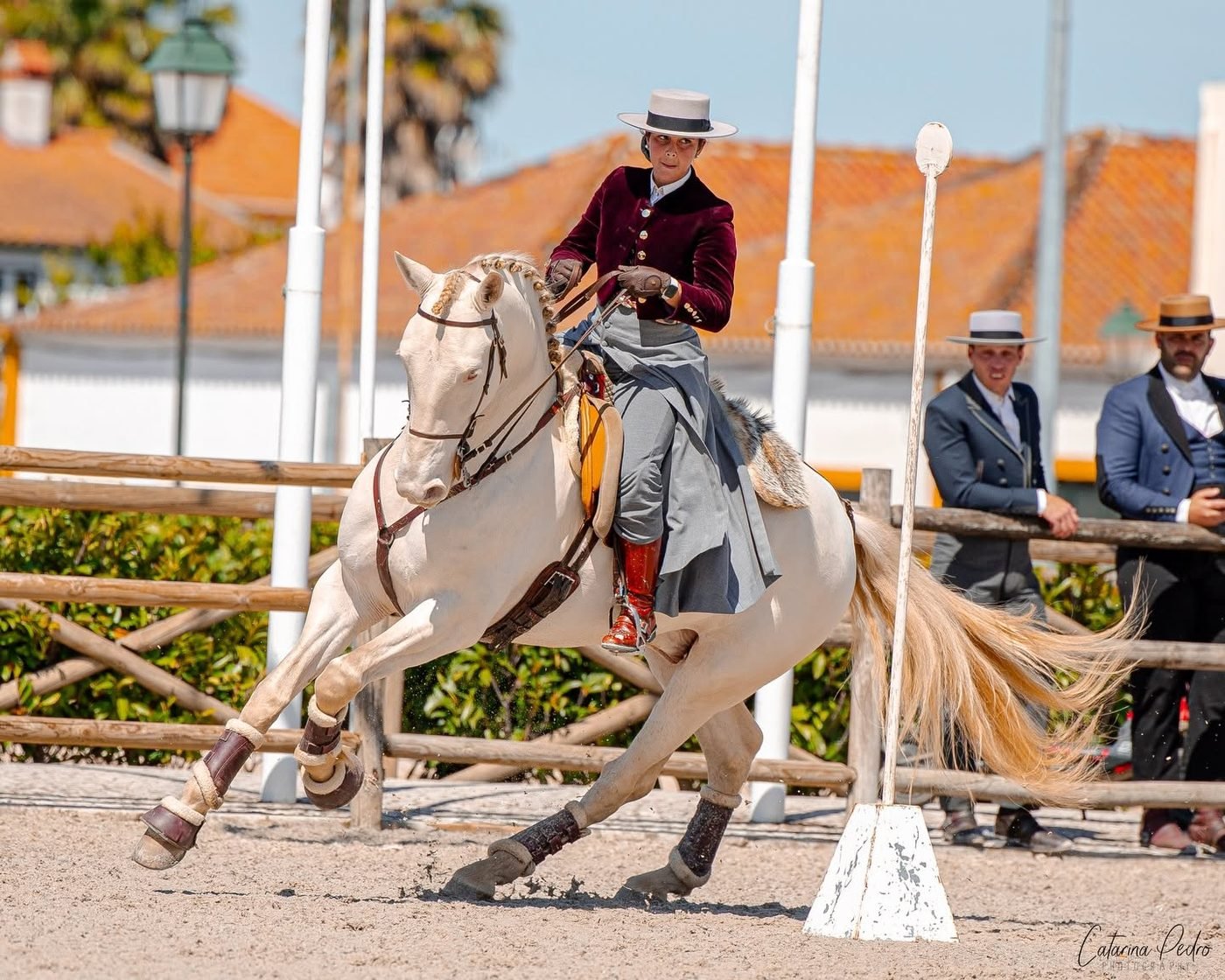
The Training Residency
They arrive carrying the beginnings of the same reference the Fellows use to read the discipline. Now that knowledge moves into the saddle.
An obstacle ceases to be simply a pattern to complete. The Member begins to see the quality of the approach, the organisation before the turn, the balance through it and the line that follows.
The Fellow can connect what happens underneath the rider to what they have already studied.
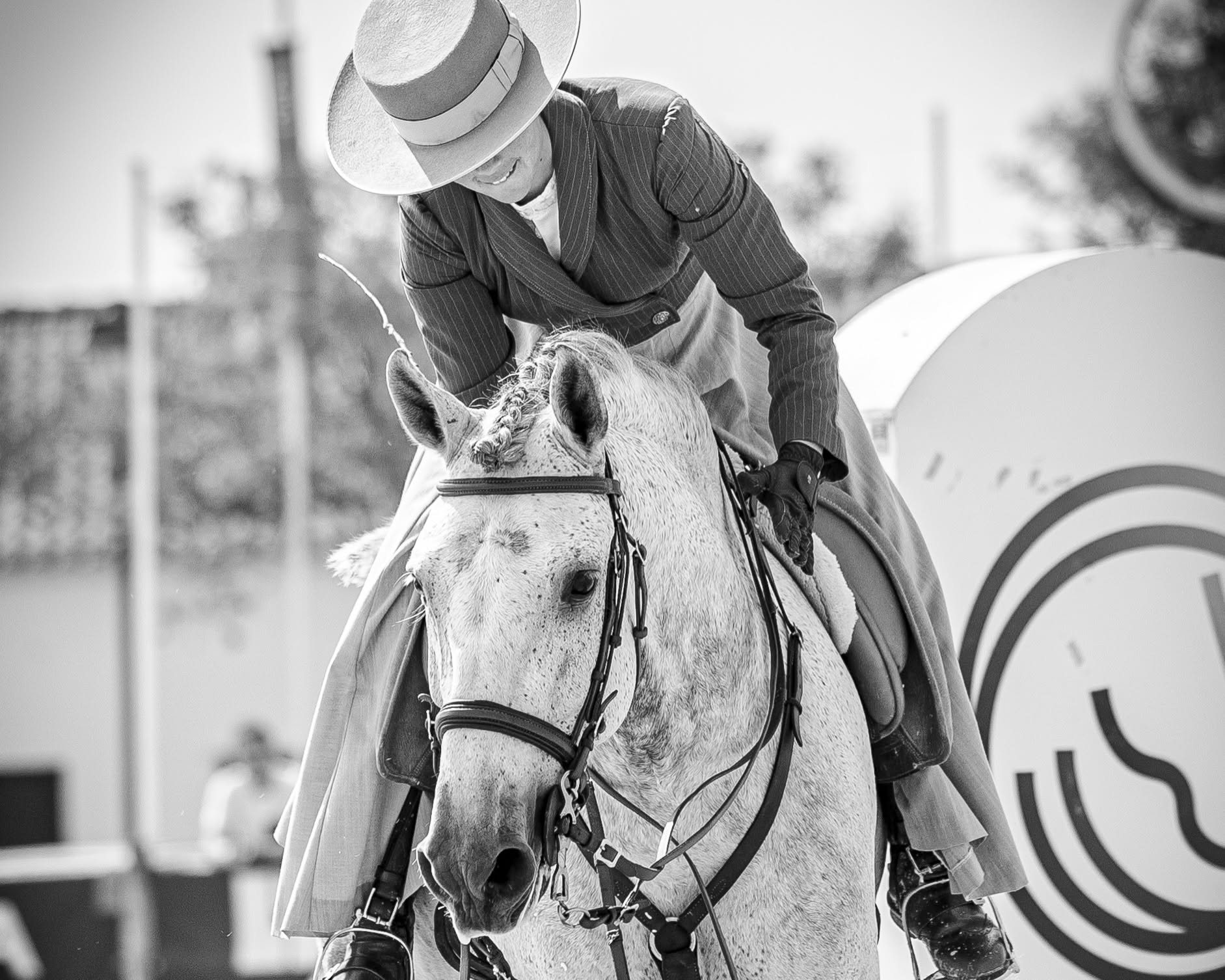
The Extended Residency
A Masters-level horse allows the Member’s knowledge to meet a horse whose balance, collection, reactions and understanding of the work have already been developed much further.
The Fellow can work further into the detail: the timing of the preparation, the quality within the pace, the organisation of the body, the precision of the line and the decisions that allow difficult work to remain Rhythmical, Precise, Calm and Fluent.
The Applied Residency
The Applied Residency is the highest stage of the pathway. Here the College brings its three strongest references together around one rider, and asks what that rider can produce when the quality underneath them and the standard around them rise together.
- A Masters or international-quality horse
- The Fellows
- Work set at Masters level
-
The Depth of Reference
Built through years of producing horses, riding the trials and making the decisions the curriculum teaches the Member to understand.
-
The Reading of the Work
It is that reading, rather than the result alone, that the Member is in the founding countries to learn.
-
What the Member Studies
That eye is part of what the Member has come to study.
Who The Rider Is Training With
Riders of the highest international standing, whose knowledge informs what the College teaches and the standard it requires.
Gilberto Filipe Silva
Alongside him, the Founding Fellows bring World and European championship titles and generations of experience within the Portuguese national circuit.
- 2018 Individual World Champion
- 2022 Individual World Champion
- 2024 Individual European Champion
- 2026 Individual World Champion
A Fellow can look at a piece of work and see what sits underneath it — and the detail that separates an adequate result from one carrying real quality.
Meet the Fellows →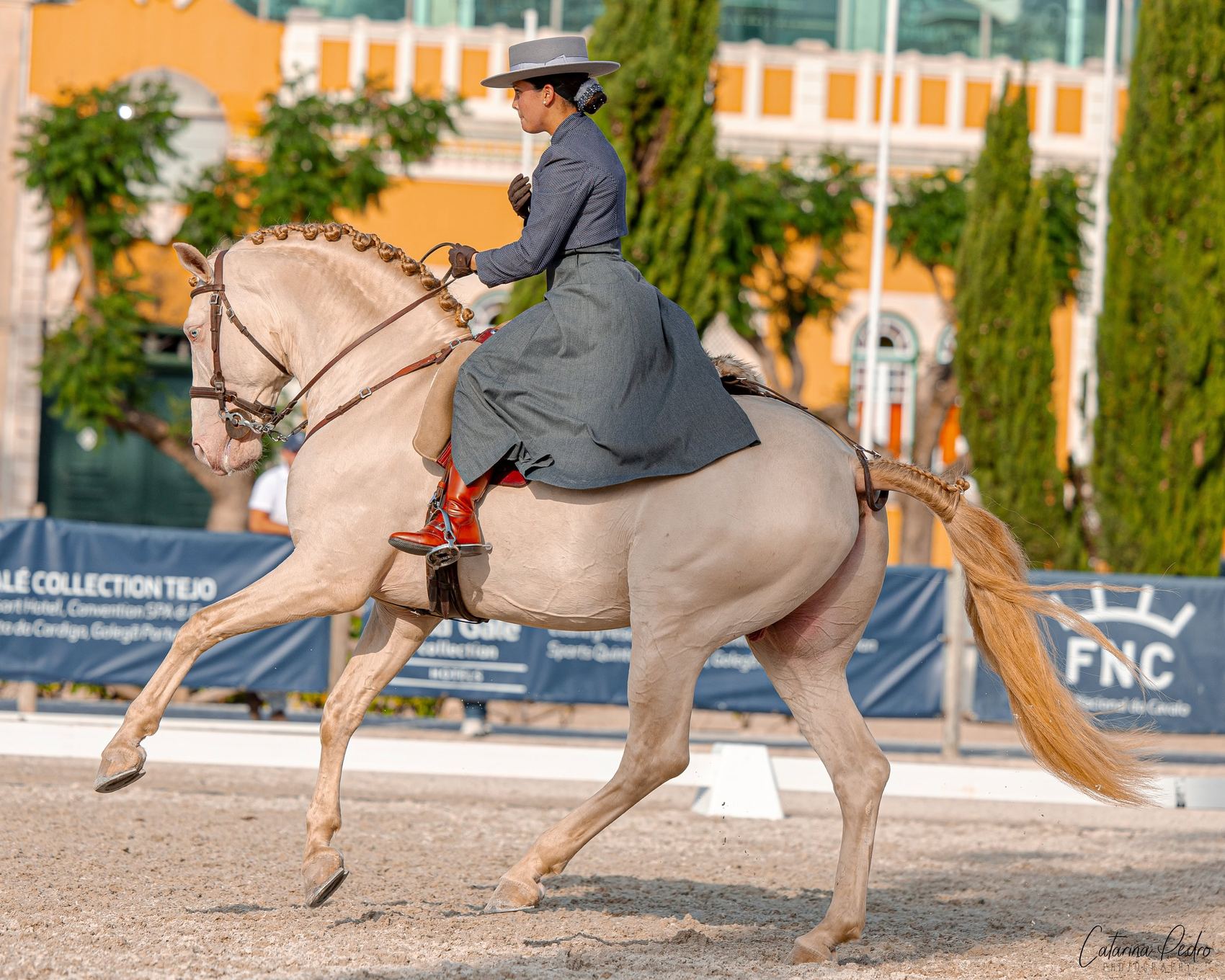
Underneath the Member is a horse whose education already contains the answer.
Beside them is a Fellow who has made those decisions thousands of times — in training, in Masters-level work and under international competition.
- Collection Already there
- The changes Second nature
- The obstacles Answered
The collection is available, the changes are established, and the horse understands the lateral work, the reactions, the balance through the turn and the obstacles. What the rider has studied, the horse can already answer.
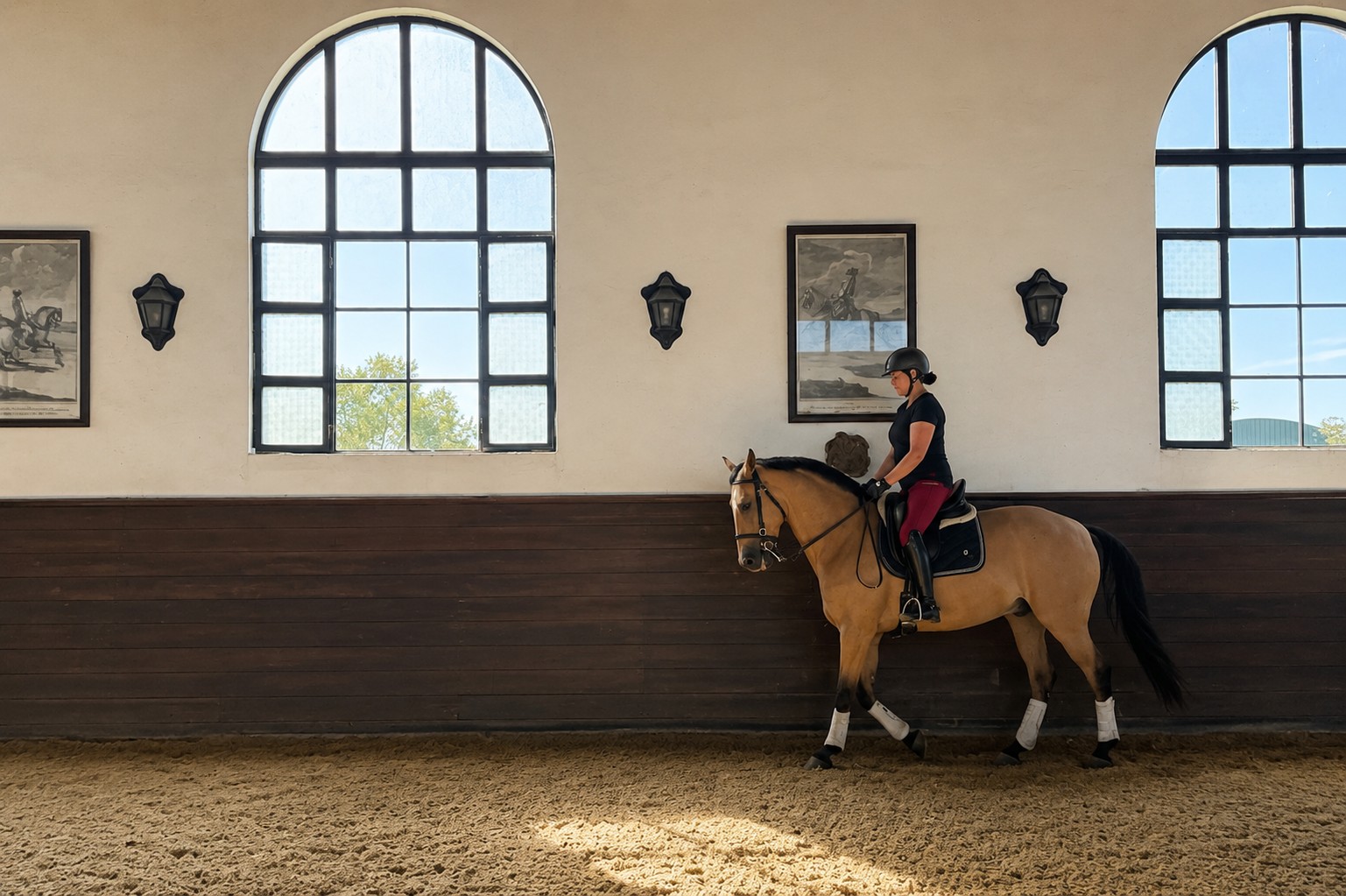
The Member begins to feel the difference between completing the work and producing the quality within it.
As the Residency Pathway develops, the horses and the work become more advanced, and the Fellow can work further into the detail of what the rider produces.
What the Member could once only read about becomes something they can produce, recognise and repeat.
Working Equitation is passed from one rider to the next; the quality of that teaching determines what the next generation receives.
A rider learned from someone who knew more; a young horse was trained by someone with the experience to produce it properly. Knowledge moved through riders and horses together.
The College exists so that nothing essential is lost as the discipline is carried forward.
- The Fellow produces the horse At Masters level
- The horse carries that education forward Into the next rider
- The rider takes it home Another generation
Begin Your Study
Alvará - The College of Working Equitation · Est. 2026
The place to begin is with the knowledge of the discipline. Every Member studies the same curriculum, and the Residency pathway opens as that study deepens.
For the Member who wants to study independently, sit the examinations and develop their Bands in their own time.
Adds more of the College around that study: examination feedback, riding reviews, the Journal, live teaching and greater access to the opportunities around the College.
Brings the Fellows directly into the Member’s study and riding, with the closest access the College offers.
Working Equitation must be understood before it can be preserved.
The governing principle of Alvará College