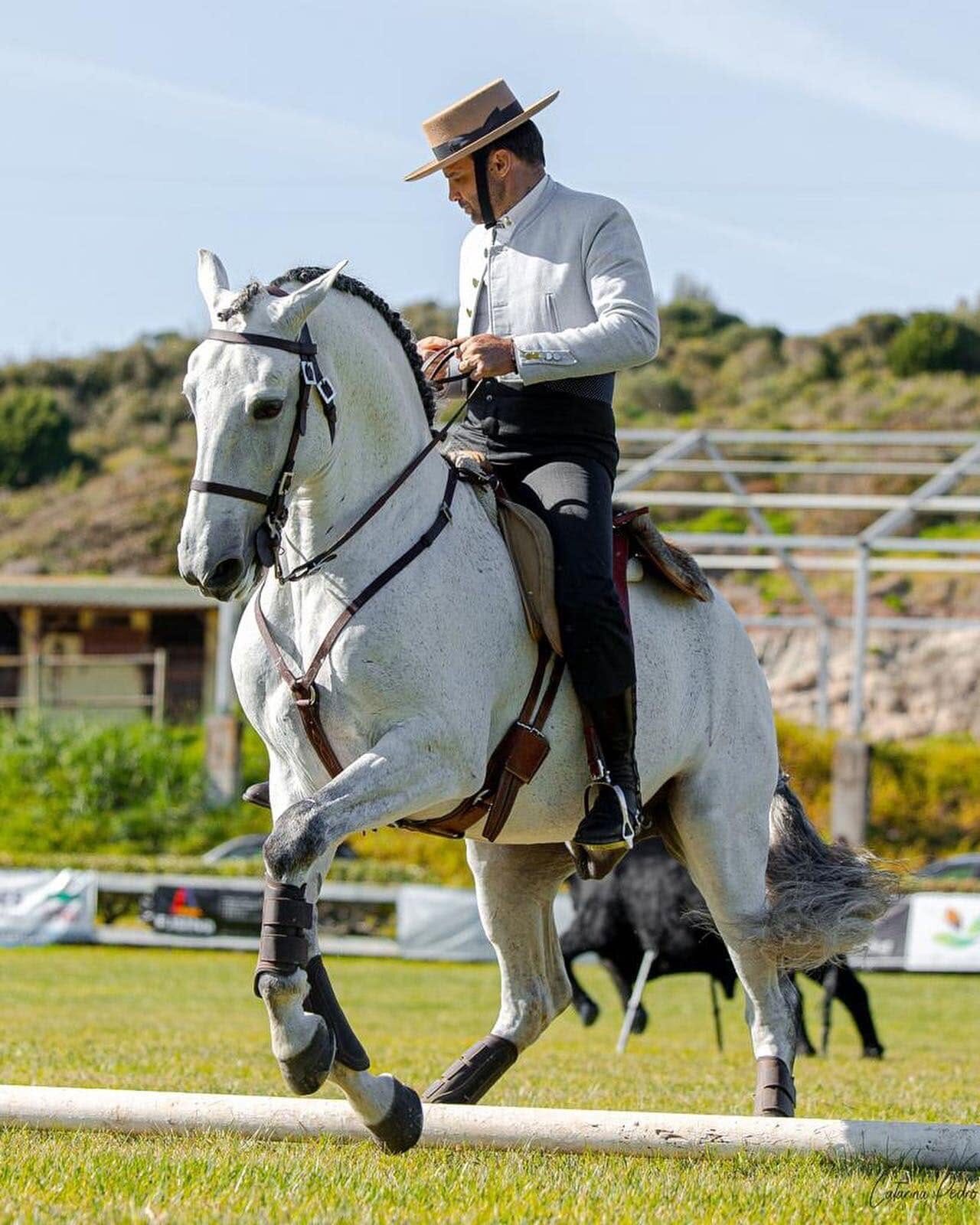
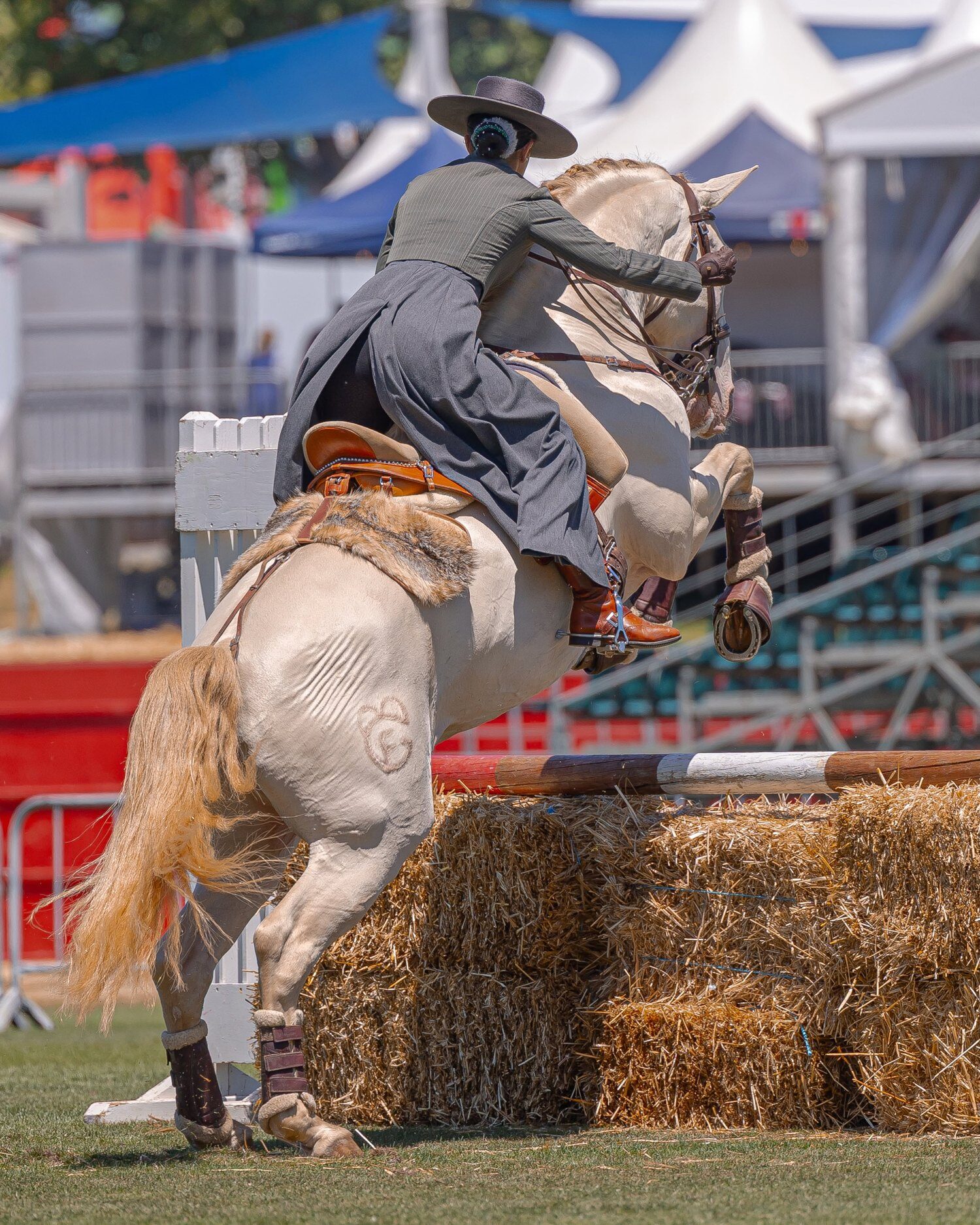
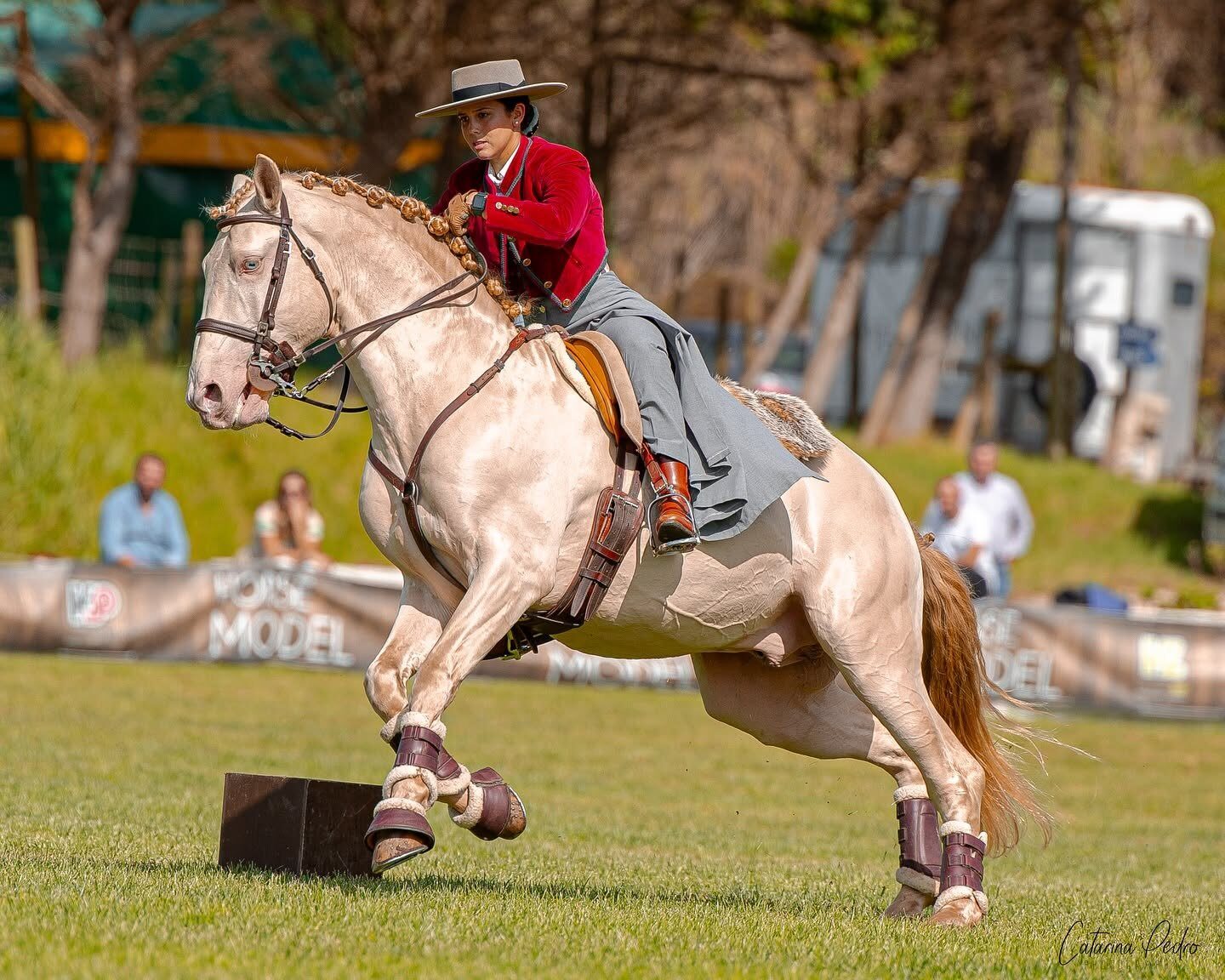
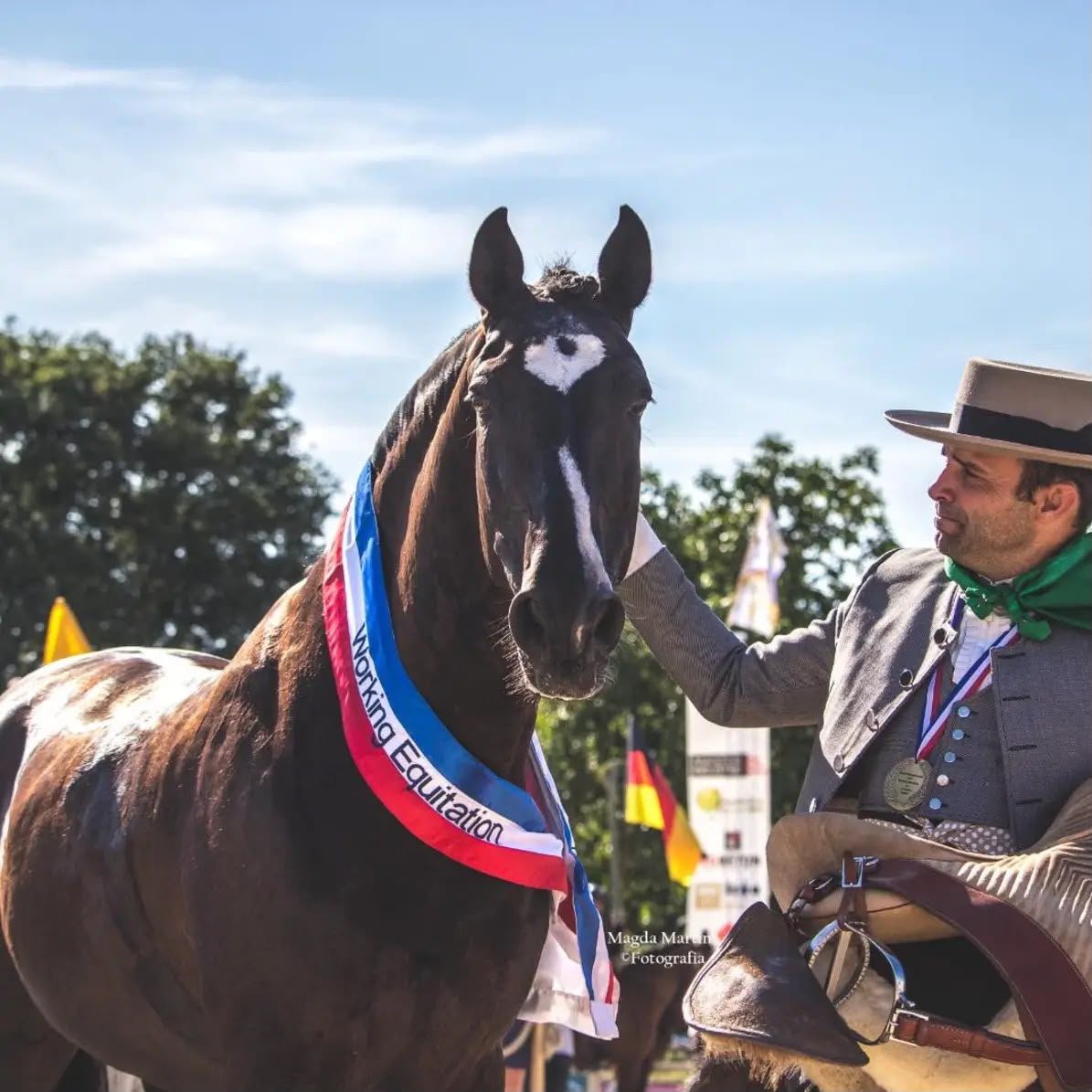
Working Equitation asks the rider to understand many things at once.
The working traditions explain why the discipline developed as it did. The horse's training creates the balance, strength and responses required for the work. The rider prepares and produces it. The obstacles give that training a practical question to answer. Competition brings the judge, course, clock and, in Cattle, another animal into the picture.
The Fellows see the relationships between those things. The curriculum makes those relationships available for the Member to study. An obstacle, for example, begins with its working origin and modern rule. It can then be understood through the horse required to ride it: the pace, balance, preparation, line and aids through which the work is produced.
At competition level, the same obstacle becomes part of something larger. The rider must produce its quality while already understanding the line that follows, the demands of the course and the decisions still to come. The subject remains the same. The depth through which the rider sees it increases.
The four trials bring the whole discipline into different situations. Working Dressage asks for the training through prescribed work. Ease of Handling carries that training through a course of obstacles. Speed changes the time available for the rider's decisions. Cattle adds the movement and response of another animal. Through all four, the underlying relationship between horse and rider travels with them.
The rider first understands the discipline, then learns how the work is produced, and finally carries that understanding into competition. These are the three Branches of the College.