Alvará · The College of Working Equitation

The Library

Introduction

A Living Record of the Discipline

Working Equitation brings together centuries of practical horsemanship, four national riding traditions and a modern international sport. The Alvará Library documents that discipline as one connected body of knowledge.

Its three parts follow the same progression through which Working Equitation can be understood: first the discipline itself, then the horse and rider through whom it is expressed, and finally the competition in which that training is tested.

Every article belongs to that larger whole.
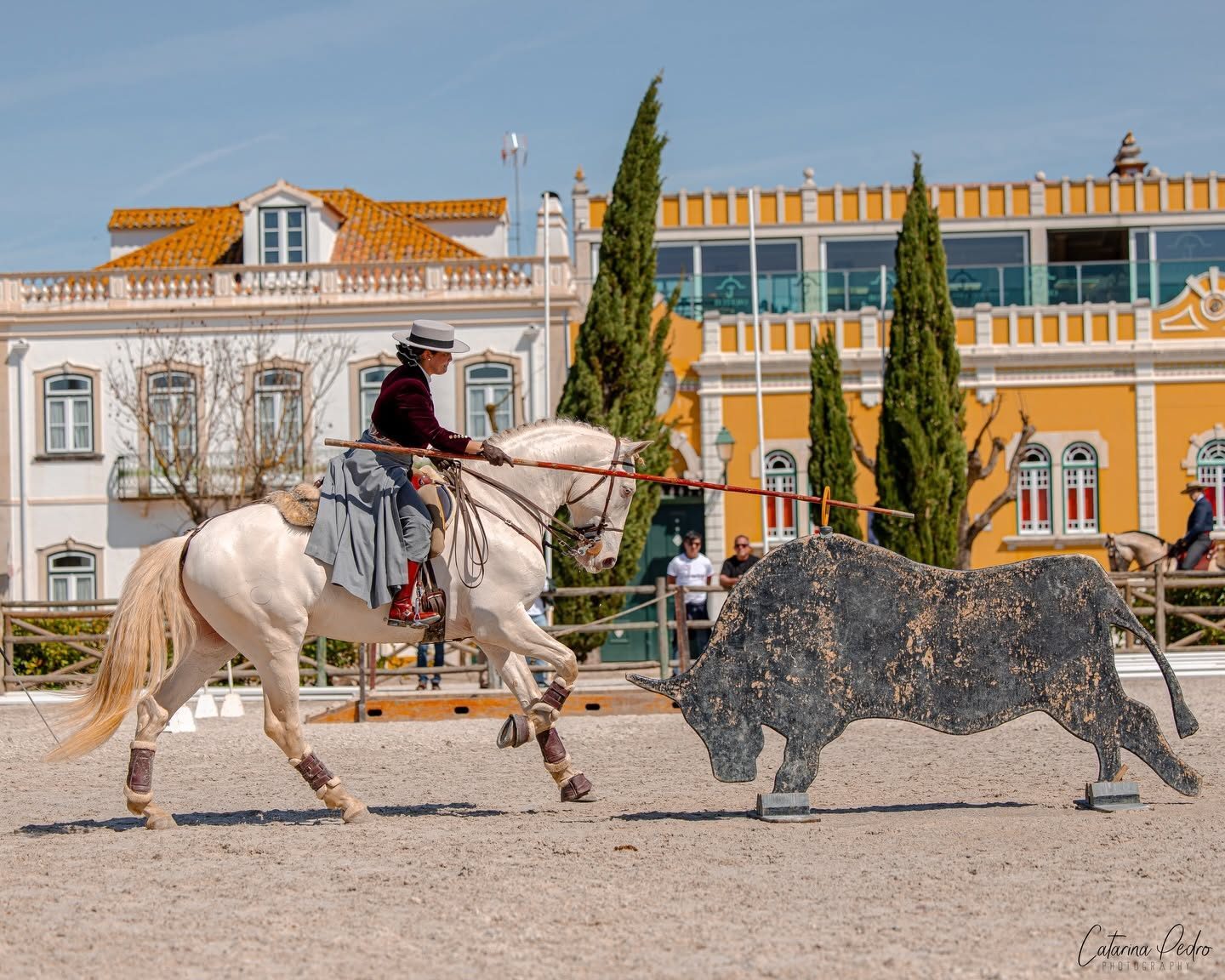
A Working Equitation rider in traditional Portuguese dress on a Lusitano, carrying a garrocha toward a bull figure at Golegã
IThe garrocha · Working Equitation, Portugal
I

Working Equitation

Working Equitation as a sport and discipline: its identity, structure, lineage, and governing principles.

Read the overview →
01 What is Equitation? Equitation means the art of riding a horse. What the word covers, how it is used differently around the world, what an equitation judge looks at, and where Working Equitation sits within it. Read article → 02 The Four Trials of Working Equitation Working Equitation is ridden across four trials. What each one asks, how they connect, how they are scored, and why a fault in one usually began in another. Read article → 03 The Four Governing Principles of Working Equitation Rhythmical, Precise, Calm and Fluent. What each principle means, how to see it in a ride, and why the difference between a 6 and an 8 usually sits inside one of them. Read article → 04 What is Doma Vaquera? Doma Vaquera is the working cattle riding of Spain, and a competitive discipline in its own right. Where it came from, how it is ridden, its figures, and how it enters Working Equitation. Read article → 05 What is Doma Clássica? Doma Clássica is Portugal's classical riding tradition - schooled to the highest balance of its age and answerable to the bull. Its schools, its horse, and what Working Equitation took from it. Read article → 06 What is a Garrocha? The garrocha is the long pole the Spanish vaquero used to work cattle from horseback. What it is, how long it is, what it was for, and why it explains one-handed riding. Read article → 07 The Four Traditions Behind Working Equitation Working Equitation was founded by four countries, each with its own working riding tradition, horse, saddle and dress. What each one brought, and what all four held in common. Read article → 08 Working Equitation for Beginners What Working Equitation involves, whether it suits beginners, what horse and equipment you need, how the levels work, and what happens at your first competition. Read article →
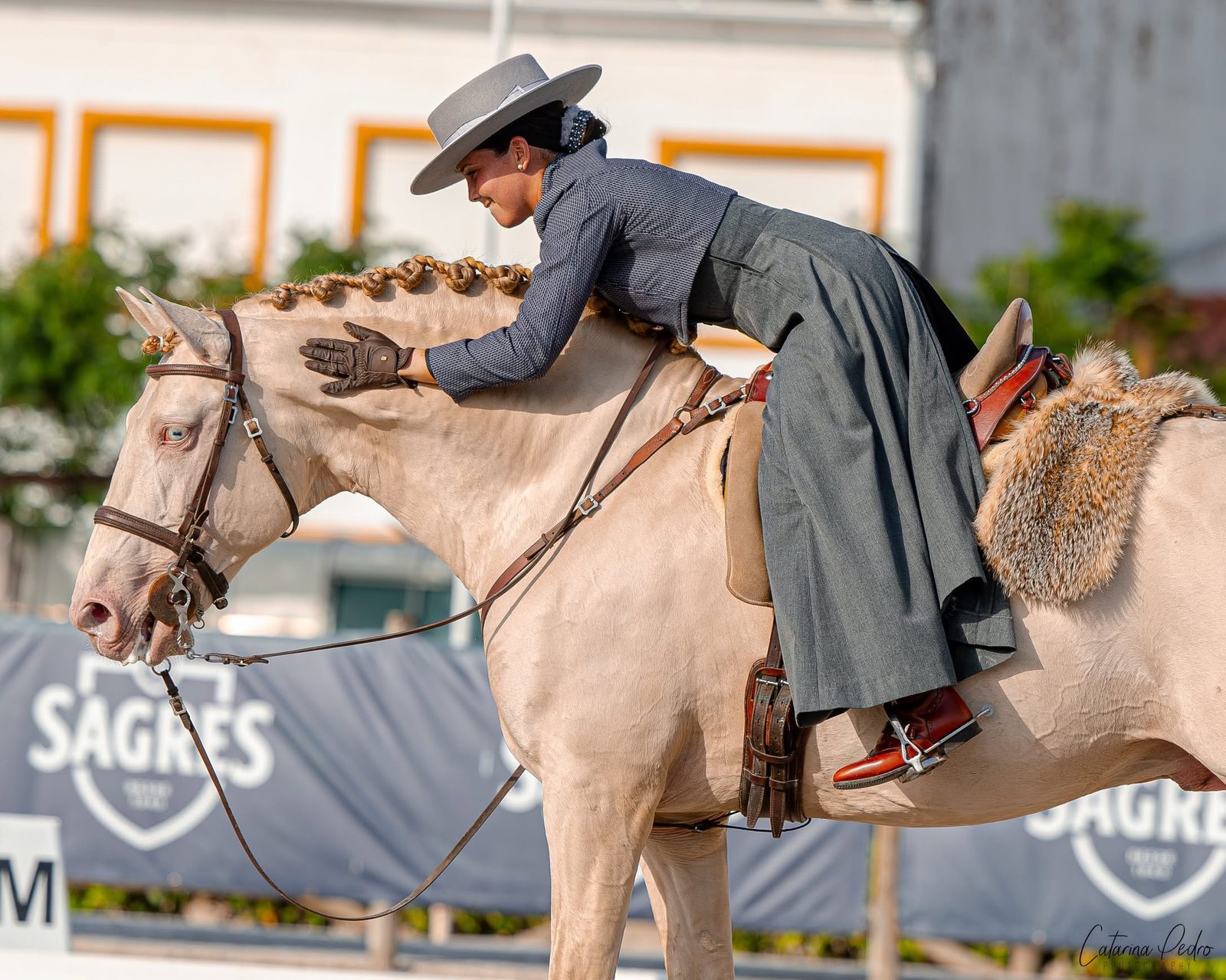
A rider leaning low along the neck of a cremello Lusitano, one gloved hand resting on its crest
IIThe horse and rider · the education of the discipline
II

Horse & Rider

The training and development of horse and rider: the Structural Training Scale, the Core Riding Skills, position, and tack.

Read the overview →
01 Horse Riding Position The correct horse riding position, what each part of it allows the rider to do, and why alignment decides how clearly the horse can read you. With a labelled diagram. Read article → 02 What is Impulsion? Impulsion is controlled energy from the hindquarters carried into the horse's movement. What it is, how it differs from speed, how it is judged, and where it sits in the Alvará training scale. Read article → 03 The Structural Training Scale Forward Tendency, Symmetrical Alignment, Four-Point Balance, Hindquarter Engagement, Forehand Elevation and Collection. What each stage means, what proves it, and how it compares with the classical dressage training scale. Read article → 04 The Vaquera Saddle The silla vaquera is the working saddle of the Spanish vaquero. How it is built, why rye straw and hair panels matter, what the mixta form changes, and how it compares with the other three Working Equitation saddles. Read article → 05 What Breed is Best for Working Equitation? Working Equitation is open to every breed. What the sport actually asks of a horse, why Iberian horses dominate without being required, and what to look for. Read article → 06 The Seven Core Riding Skills Position, Independence, Balance, Seat, Leg, Hand and Feel - the seven Core Riding Skills, in the order they depend on one another, and what each one does. Read article → 07 The Paces The three paces and what each one reveals. Suspension, diagonal symmetry, the weaker diagonal, and what happens when a canter is shortened beyond what the horse can carry. Read article → 08 One-Handed Riding in Working Equitation At the senior standard the reins are carried in one hand. What that changes, why it is not neck-reining, how the levels introduce it, and what it proves about the horse. Read article → 09 The Portuguese Saddle The sela portuguesa is the deep, high-cantled saddle of the Portuguese working estates and the mounted bullfight. What it is, what shaped it, and how it sits the rider. Read article → 10 Bridles and Bits in Working Equitation Which bits are allowed in Working Equitation, why the sport rides in a curb, how a curb differs from a snaffle, and the four national bridles. With the current WAWE tack rules. Read article → 11 Working Equitation Dress and Turnout What riders wear in Working Equitation, the four national traditions, the dress rules at international and national level, and what you need at your first competition. Read article →
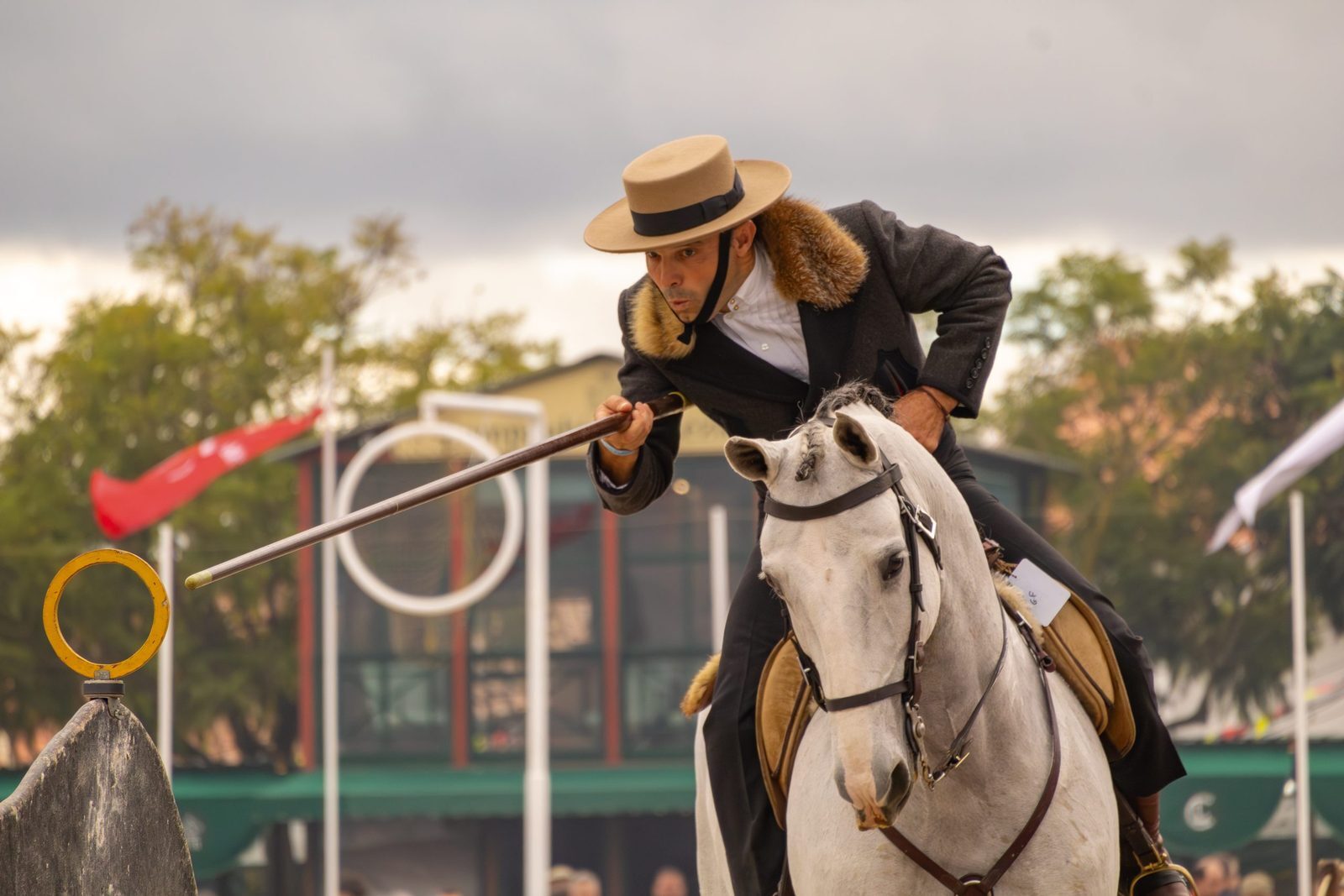
A Working Equitation rider guiding a pole toward the ring obstacle on a grey Lusitano in competition
IIIThe ring obstacle · Working Equitation in competition
III

Working Equitation Competition

Working Equitation in the arena: the four trials, every obstacle named and defined, and the scoring system.

Read the overview →
01 What are the obstacles in Working Equitation? Every obstacle in the Working Equitation pool, named and defined, with the dimensions the international and Portuguese rulebooks set for each one. Read article → 02 What are the rules of Working Equitation? Who governs Working Equitation, what the international and national rulebooks require, where they differ, and what ends a round. Read article → 03 How is Working Equitation scored? How Working Equitation is scored: the 0 to 10 scale, the five collective marks, the time penalties, and how four trials become one placing. Read article → 04 What are the levels in Working Equitation? How Working Equitation levels work in Portugal, internationally and in the United States, and what actually gets harder as a rider climbs. Read article → 05 What is Working Dressage? What the Working Dressage trial asks, how it differs from classical dressage, the arena, the exercises and the five collective marks. Read article → 06 What does Ease of Handling mean in Working Equitation? What Ease of Handling means, how the obstacle course is built and walked, how each obstacle is marked, and what the judge is actually reading. Read article → 07 What is the Speed trial in Working Equitation? How the Working Equitation Speed trial works, with the full international and Portuguese penalty tables, the one bonus, and what ends a round. Read article → 08 What is the cattle trial in Working Equitation? The fourth trial of Working Equitation: how a team cuts a cow from the herd, the three-minute limit, the penalties, and why it is timed rather than marked. Read article →

Begin Your Study

Alvará - The College of Working Equitation · Est. 2026

The Library records the discipline. The College carries that knowledge to the rider, and Membership decides how much of the College surrounds that study.

The Membership levels

Core

For the Member who wants to study independently, sit the examinations and develop their Bands in their own time.

Guided

Adds more of the College around that study: examination feedback, riding reviews, the Journal, live teaching and greater access to the opportunities around the College.

Mentored

Brings the Fellows directly into the Member’s study and riding, with the closest access the College offers.

Working Equitation must be understood before it can be preserved.

The governing principle of Alvará College